Categories
Are all sublimation papers the same?
This article attempts to provide an insight into what premium sublimation paper brings and the savings it offers.
Nov 11th,2020
1515 Views
In the market proliferate papers for sublimation with very low prices and a more than questionable quality. In all these years, with sublimation we have seen situations of all kinds in order to economize. This article attempts to provide an insight into what the premium sublimation paper brings and the savings it offers.
Saving costs is very interesting for any business, but as long as this saving does NOT considerably reduce the quality of sublimated products, since in the end it will be an unprofitable solution, such as using inks that block heads or low-quality sublimable products.
In order to assess the effectiveness of a good sublimation paper, it is necessary to know its characteristics and how to use it, so please take a look at the following text.
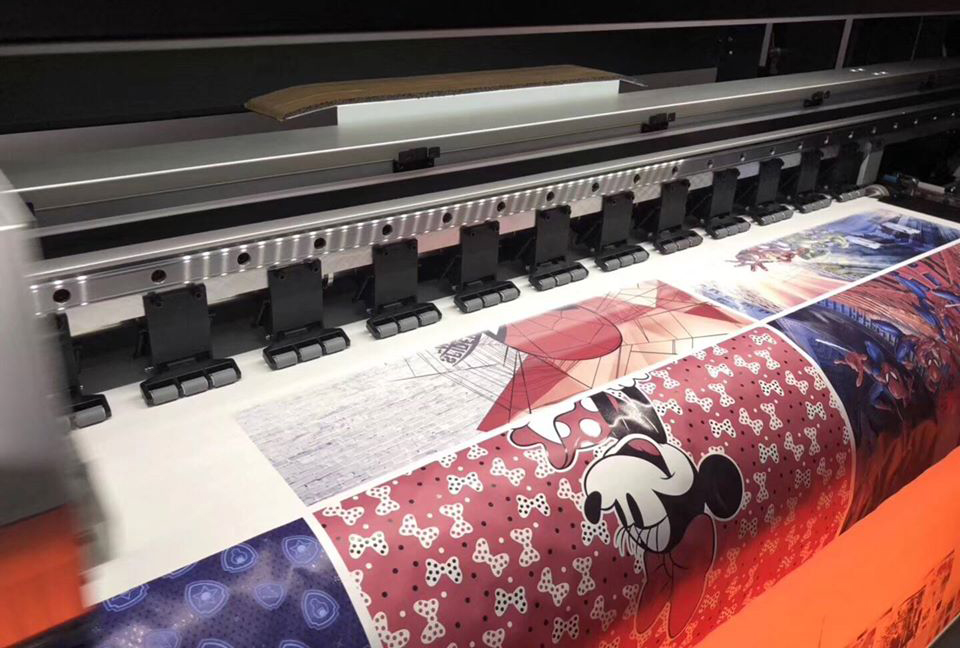
What are the characteristics of sublimation paper?
The sublimation paper acts as a conveyor of the ink to the surface of the sublimable object (textile, wood, porcelain, aluminum, etc.) on which you are going to transfer the design, this is basically its function, but this process is carried out under certain temperature and pressure parameters and that is where the main differences lie between a true premium sublimation paper, a normal sublimation paper or one that is not special for sublimation such as CAD or Bond paper.
Like any paper prepared for printing INKJET (with ink) it must be able to keep the ink dots as small and close together as possible, without spilling or bleeding, to achieve the maximum image definition. No wonder they have to support printers capable of printing more than 2400 dots on one inch of paper. It is important that it allows fast drying and maximum ink transfer to the sublimable substrate.
This is one of the main differences between papers, premium sublimation papers has a special treatment (a silicate base with a special grid design) so that all the ink pigment is fixed on its surface, and when heat is applied (sublimate) allow the passage of the ink to the product in a greater proportion, between 90 and 95% of the ink deposited in them, without requiring temperatures, pressure or times that take the substrate to be sublimated to the limit, for this reason it is said that premium sublimation paper is more suitable for textiles, since garments and fabrics do not withstand high temperatures or pressure without being marked.
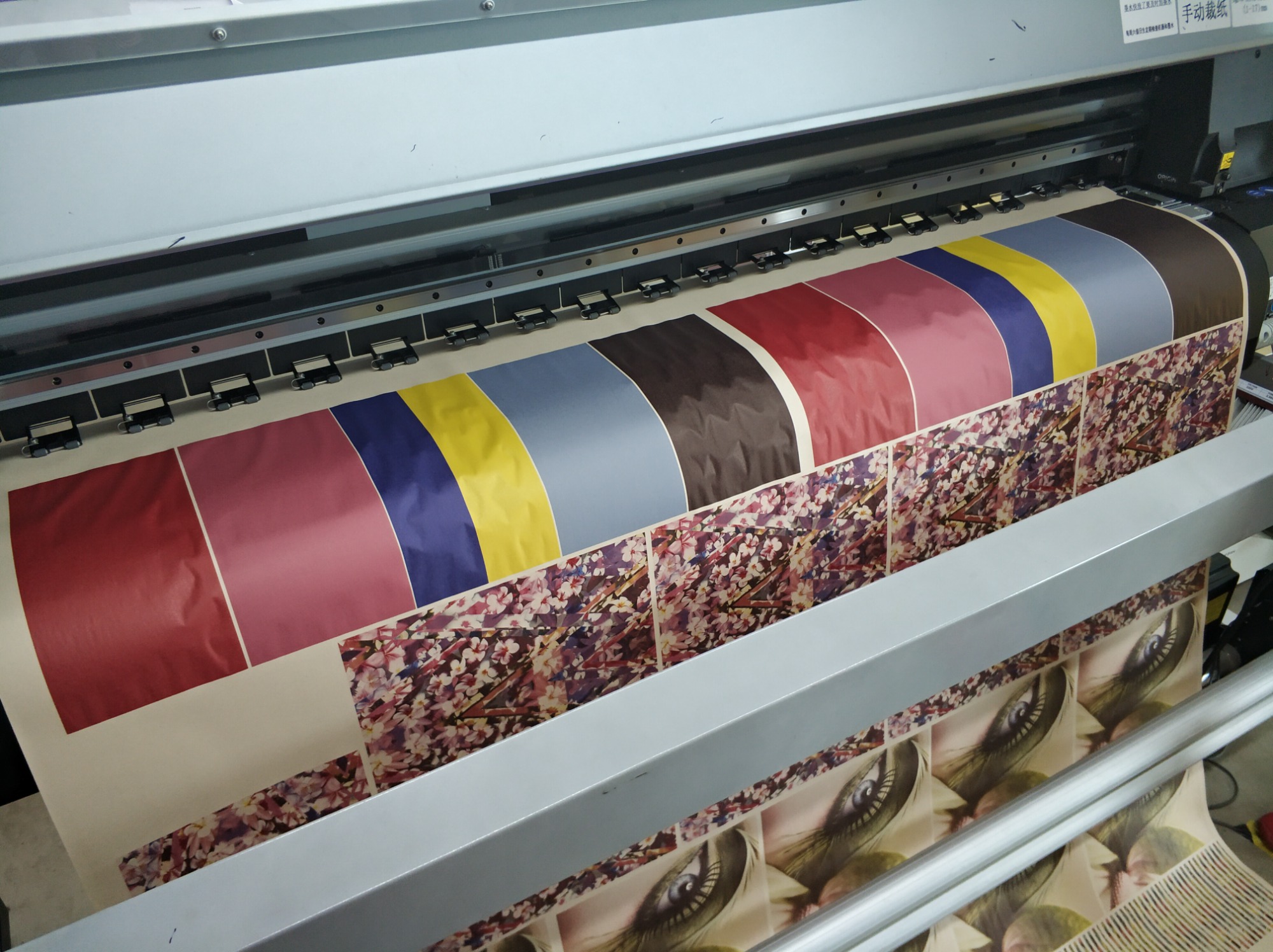
The inexpensive sublimation papers also have a suitable coating for sublimation, of worse quality than the premium ones, this makes them deliver 70 and 75% of the ink load, so their colorimetry is somewhat lower, requiring a higher temperature and pressure as well as prints using settings that deposit more ink on the paper. These papers are especially recommended for transfers on hard surfaces such as ceramic, glass, stone, metal, wood, etc., where higher pressure and transfer time is typical. It can also be used in textiles that do not pursue deep colorimetry, event scarves, event T-shirts, etc. It is usually priced 20% cheaper than premium paper and if we know how to use them wisely, they are a valid option.
The cad or bond papers return lower amounts of ink, these papers, not being properly treated for sublimation, absorb all the ink that is introduced in their fibers, and only at high press temperatures, we get the ink to gasify, leaving the two sides of the paper.
That is why an unsuitable paper uses more energy (higher temperature), is less productive (longer ironing and cleaning time and iron protection) and uses more ink (to compensate for the lower transfer) and ruins more sublimable products (more temperature plus the risk of burns).
Subtextile Co. Ltd.
Address:699-18 Xuanwu Avenue, Nanjing City, China, 210000
Tel |Fax:+86 25 85416407 (GLOBAL)
Cell:+86 17798509616
Whatsapp:0086 17798509616
E-mail:info@subtextile.com


