Categories
How to identify the quality of digital printing ink: Chapter 2
With the rapid development of digital printing, the number of digital printing ink manufacturers has mushroomed, which will inevitably lead to uneven product quality on the market.
Feb 19th,2021
1383 Views
Print fluency
Printing fluency is directly related to the effect and quality of digital printing, and it is also one of the most important indicators of ink quality. The following four factors affect printing fluency:
1. ink viscosity and surface tension will form ink droplets, and the size of the ink droplets will affect the printing continuity;
2. The penetrating solvent in the ink and the amount of solvent added, and the diffusion and diffusion speed of the ink droplets on the medium caused by them affect the smoothness of printing;
3. Ink is a mixture of many chemical substances. The overall particle size of this mixture is preferably less than 1um so that larger particles will not block the print head nozzles.
4. Improper selection of resin in the ink is also a factor leading to poor printing fluency. Because the resin, as a high molecular polymer, is prone to mechanical three-state transition, it is obvious to block the nozzle.
At present, in the ink industry, the inspection before leaving the factory is to test the fluency of the ink, but most of them are to print color blocks of about 1m in width on a specific inkjet printer, and the length is 10-20m. This test method is not 100% accurate in detecting the smoothness of printing, because the output mode and ink volume are different from those used by customers, and the performance of the ink changes greatly.
 Environmental protection
Digital printing products have high environmental protection requirements because they touch the skin and a large number of printed products are exported abroad. The basic safety technical requirements of textile products are divided into Class A, Class B, and Class C according to the degree of index requirements. Subtextile got ECO PASSPORT by OEKO-TEX certificate recently. Faced with the huge increase in the total volume of sublimation inks, relevant countries’ concerns about product green development, and end users’ demands for environmental protection, this certification is undoubtedly good news for us.
Colorfastness
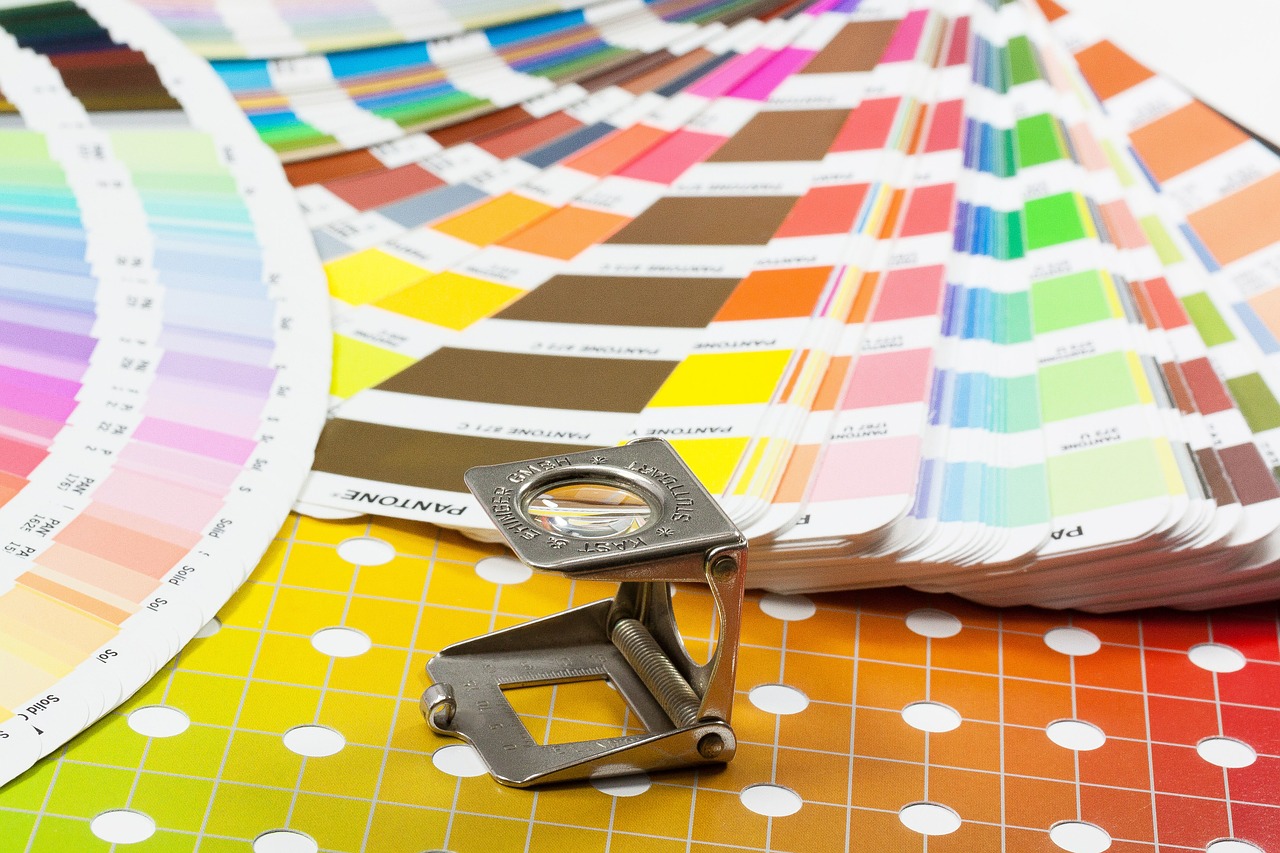
Colorfastness includes washing fastness, dry rubbing fastness, wet rubbing fastness, etc. The color fastness is also an important criterion for measuring the effect of printing. The color fastness of products printed with excellent printing ink is best in grades 4-5.
Weather resistance and migration resistance
The weather resistance of the ink is mainly the difference between whether the colorant used in the formulation is a dye or a pigment. The weather resistance will vary with the length of time the printed products are in the environment and the latitude and longitude of the area. Similarly, the temperature and humidity of the area and changes in the length of sunlight are also factors that change the weather resistance. The migration resistance of ink should also be distinguished according to the different sources of pigment ink and dye ink.
Storage stability
Ink with poor storage stability is more prone to problems that the nanoparticles in the ink re-aggregate, resulting in printed broken lines, clogged nozzles, and even uneven colors. In addition, the batch difference of ink is very important. Whether an ink supplier can supply ink with long-term stability and consistent quality is also a test of the market for ink suppliers.
 Subtextile supply our original high-quality sublimation ink. We have launched different inks for different needs. Our ink has excellent color expression, is environmentally friendly, and has perfect light fastness and washing fastness. Your best choice for large format sublimation printing!
Subtextile Co. Ltd.
Address:699-18 Xuanwu Avenue, Nanjing City, China, 210000
Subtextile supply our original high-quality sublimation ink. We have launched different inks for different needs. Our ink has excellent color expression, is environmentally friendly, and has perfect light fastness and washing fastness. Your best choice for large format sublimation printing!
Subtextile Co. Ltd.
Address:699-18 Xuanwu Avenue, Nanjing City, China, 210000
Tel |Fax:+86 25 85416407 (GLOBAL)
Cell:+86 17798509616
Whatsapp:0086 17798509616
E-mail:info@subtextile.com


